Contact Us


Online Fire Life Safety Training: Supporting Year-Round Preparedness
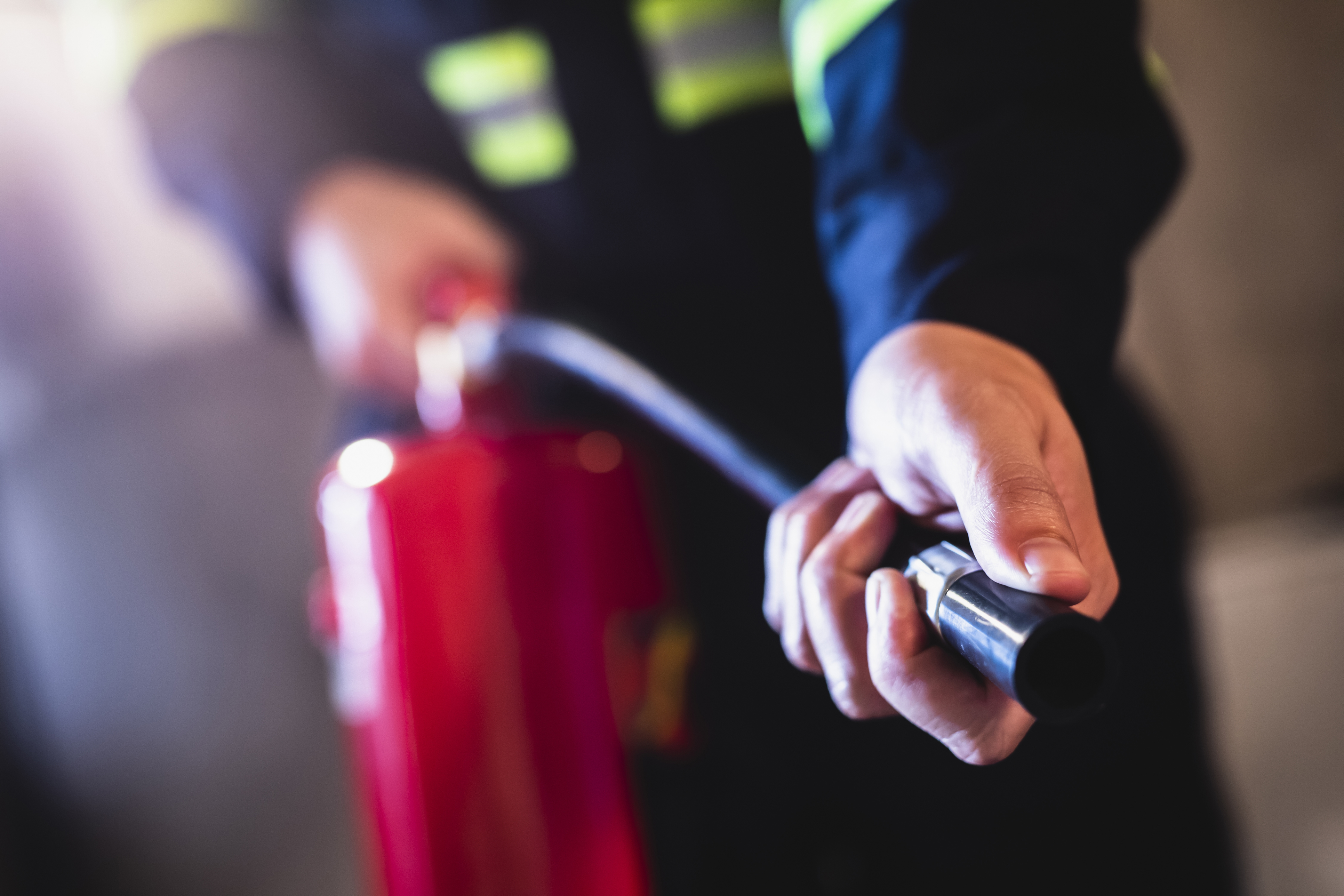
Emergencies can happen at any time. Fire and life safety training can help building management, staff, and occupants understand emergency procedures and how to respond when an incident occurs.
Online fire life safety training makes this education more accessible, allowing participants to complete training on their schedules while supporting ongoing readiness.
Why Fire Life Safety Training Matters
Fire and life safety planning can address a range of emergencies, from fires and natural disasters to medical emergencies and other potentially dangerous situations.
Training can help organizations:
- Educate occupants on emergency procedures
- Reinforce evacuation and response protocols
- Support emergency planning and drills
- Address applicable training and safety requirements
Allied Universal’s® Fire Life Safety Training Division works with commercial properties, residential high-rises, and other facilities on emergency planning, training, and preparedness. This experience, along with relationships with fire officials, law enforcement, and other emergency personnel, helps inform its training programs.
Make Training More Accessible
Coordinating training across different schedules, locations, and groups can be challenging. Online learning can help organizations reach participants more consistently while accommodating different schedules and needs.
Benefits can include:
- 24/7 access to training and preparedness resources
- Flexible learning that accommodates different schedules
- Consistent information across participating teams and locations
- Centralized training to help manage preparedness efforts
- Support for applicable training and compliance requirements
Prepare for a Range of Emergencies
Preparedness goes beyond knowing what to do during a fire. Depending on the facility, location, and potential risks, topics may include:
Allied Universal’s Fire Life Safety training can address topics such as:
- Fires and evacuations
- Earthquakes and natural disasters
- Medical emergencies
- Power failures
- Workplace violence and active assailant situations
Other building- or location-specific emergencies
Making this information available before an emergency can help keep procedures familiar and reinforce safety awareness.
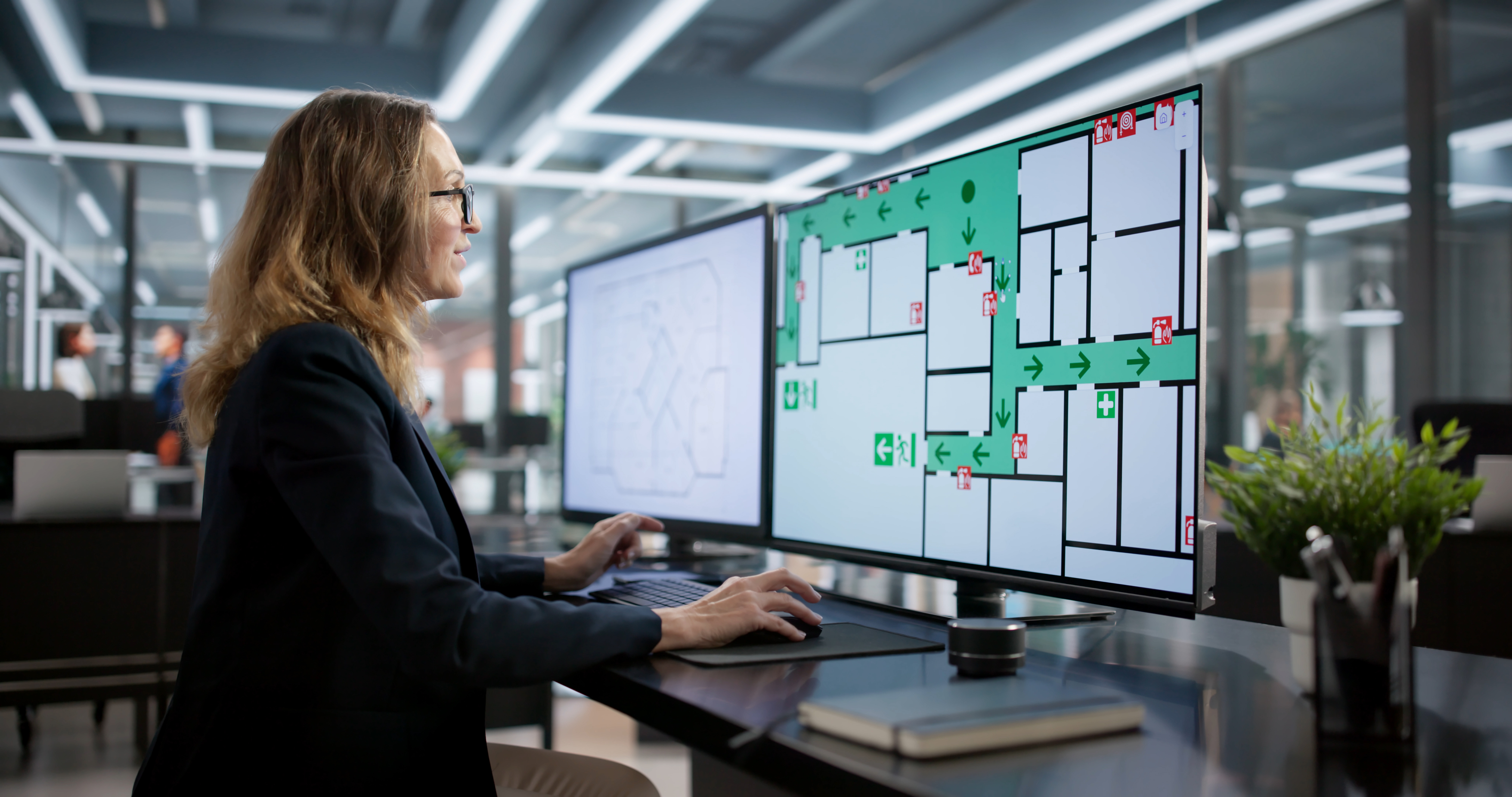
Support Fire Life Safety and Emergency Preparedness
Every facility has different requirements, risks and emergency procedures. A comprehensive and life safety approach can combine education and emergency planning with [life saving systems] as part of a broader strategy.
Allied Universal’s monitored fire alarm systems add another layer of protection by helping detect signs of fire early and supporting a timely response to potential threats. Emergency communication systems can also help keep occupants informed with timely instructions and updates during an emergency.
Training can complement these measures as part of a broader preparedness program that includes floor warden training, fire drill assistance, and other educational resources.
Keep Preparedness Ongoing
Emergency preparedness and procedures may need to evolve as facilities, operations, and risks change. Regular reviews and ongoing education can help keep occupants informed and ready to respond.
Consider incorporating these practices into your program:
- Review emergency plans and procedures regularly.
- Make sure occupants know evacuation and shelter-in-place procedures.
- Communicate changes to building-specific emergency information.
- Conduct required drills and training.
- Encourage occupants to become familiar with exits and emergency resources.
- Update training as requirements, risks, or building operations change.
Allied Universal Fire Life Safety Training
Online training can make ongoing education easier to incorporate into an organization’s broader fire and life safety program. Allied Universal’s online Fire Life Safety Training System is available 24/7 and includes training and resources covering a range of emergency situations.
Related Blogs
-
Image

-
Image

-
Image