Contact Us


Layered Data Center Security Measures: Protecting the Operations Behind the Infrastructure
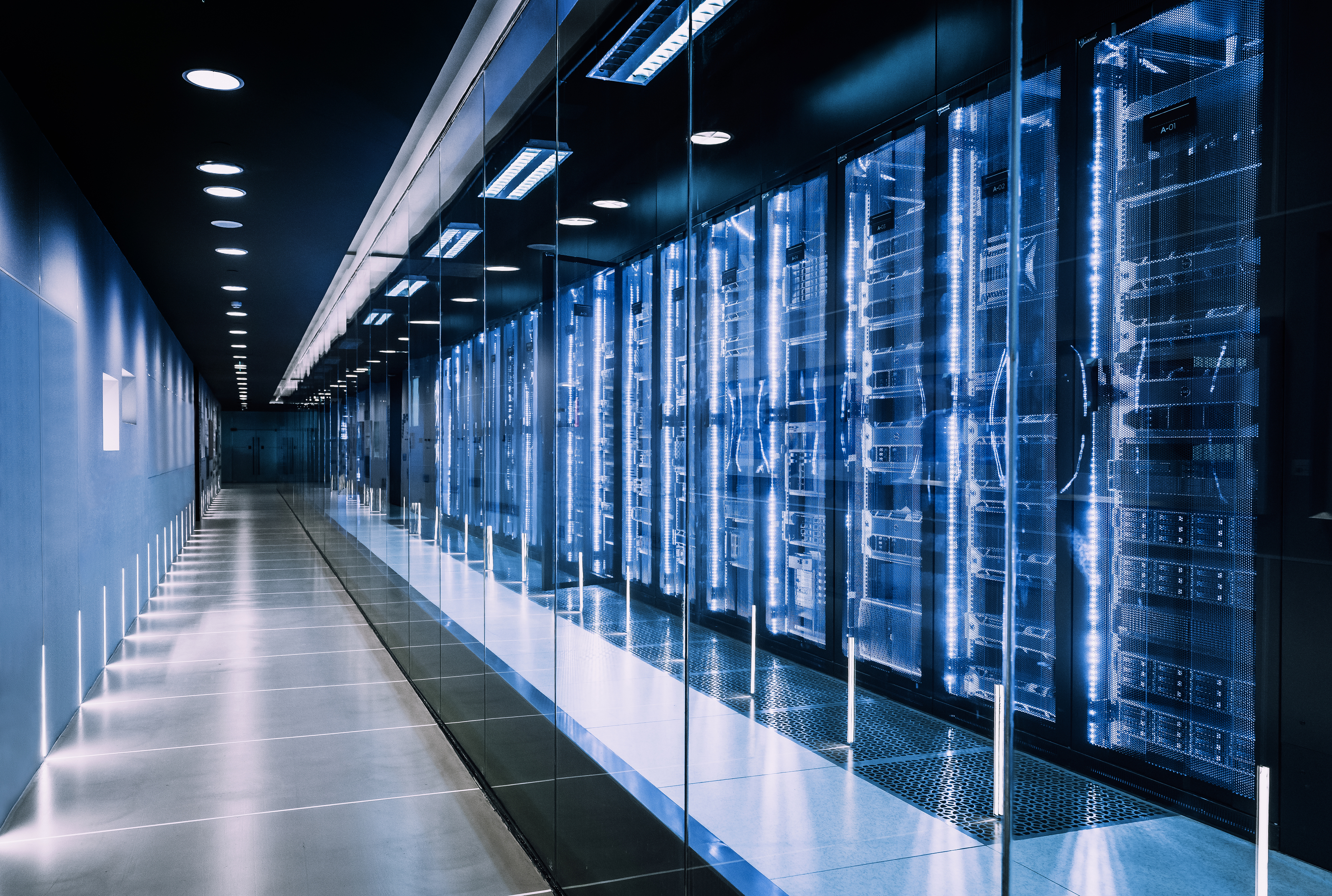
Data centers are evolving—and so are their security needs. Larger facilities, more concentrated computing capacity, and greater reliance on connected systems and specialized service providers are expanding the scope of security planning.
Supporting operational resilience requires a view that extends beyond servers and building entrances. Power and cooling systems, remote connections, contractor access, utilities, and delivery routes all play a role—including services and infrastructure outside the property line.
Disruption in one area can affect several others. A layered approach helps security leaders understand these connections, identify potential gaps, and coordinate safeguards across the people, technology, and infrastructure that keep a facility operating.
What Does Layered Data Center Security Measures Include?
The framework organizes protection across four physical layers and a fifth layer that addresses shared systems and external dependencies. The measures selected for each depend on the facility’s design, critical functions, operating conditions, and risks.
1. Look Beyond the Property Line
A data center’s ability to operate depends partly on infrastructure and services outside its control. Disruptions to power, telecommunications, fuel deliveries, or emergency access can affect operations even without a security breach at the facility.
For example, during an extended power outage, backup generators depend on fuel replenishment. If a road closure prevents a delivery, the facility’s ability to maintain power could be affected.
Planning considerations include:
- External dependencies: Identify the utilities, suppliers, and services essential to continued operation.
- Alternate arrangements: Review delivery routes and backup providers for shared points of failure.
- Response coordination: Establish contacts and contingency plans with utilities, suppliers, and emergency services.
2. Strengthen Security Around the Perimeter and Exposed Equipment
Generators, transformers, cooling equipment, and fuel systems may sit outside the main building. Their location and operational importance make them part of security planning.
Fencing, lighting, controlled gates, surveillance, and intrusion detection can help identify unauthorized activity and allow additional time for assessment and response.
Reviewing equipment exposure, detection coverage, and response time together can help teams identify where additional safeguards may be needed. Consider:
- Exposure: How accessible is critical equipment?
- Detection coverage: Can unauthorized activity near that equipment be identified early?
- Response time: How much time would responders need to assess and respond before the equipment could be affected?
Allied Universal® security professionals can support these measures by verifying credentials at entry points, conducting patrols, and investigating signs of unauthorized access or tampering.
Site-specific training and response procedures can guide officers’ actions, including notifying facility personnel or working with emergency responders.
3. Manage Movement Inside the Building
Permission to enter a facility does not automatically mean permission to enter every room. Loading docks, maintenance areas, electrical rooms, and control spaces each have different access needs.
Risk can also come from someone using legitimate access beyond the scope of approved work. A contractor authorized to enter a maintenance area may not need access to a server hall or control room. Matching access permissions to approved work helps limit that exposure.
Focus on:
- Individual authorization: Permissions tied to a person’s role and approved work.
- Visitor and contractor procedures: Verification, designated areas, and escorts where appropriate.
- Access reviews: Prompt updates when assignments, contracts, or employment change.
- Tailgating prevention: Procedures that address people following authorized personnel through controlled entrances without verification.
Access control systems can help translate these requirements into controlled access at designated doors and entry points. Configured around the facility’s needs, these systems can help teams manage permissions, monitor access activity, and maintain records that support the review of potential security incidents.
4. Apply Greater Control Around Critical Operations
Server halls, network rooms, sensitive control interfaces, and secure media areas may require additional safeguards because of the consequences of unauthorized access or error.
Depending on the assessment, measures may include:
- Stronger identity verification and access limited to essential duties.
- Monitored maintenance and rack or cabinet controls where warranted.
- Procedures to help safeguard storage media during maintenance and disposal.
- Two-person authorization for selected tasks with significant operational consequences.
Security monitoring services can support the assessment of alerts and coordination of response. Depending on the systems and services in place, monitoring personnel can review available video and alarm information and notify the appropriate team for investigation.
Clear escalation procedures can clarify who can authorize action and how security personnel coordinate with facilities or operations teams when critical equipment may be affected.
5. Connect Shared Systems and External Dependencies
Remote administrators, vendors, enterprise identity systems, utilities, and continuity arrangements can affect multiple areas—or several facilities at once.
This fifth layer connects across all the physical layers. It calls for clear ownership of remote access, vendor permissions, incident notification, and service restoration.
For example, a vendor’s remote maintenance connection may reach systems that control cooling or electrical equipment. If that connection is compromised or remains active after the work ends, physical barriers alone may not adequately address the exposure.
Planning considerations include:
- Access oversight: Who approves access, which systems may be reached, and when permissions expire.
- Activity monitoring: How remote and vendor activity is reviewed.
- Shared responsibilities: Who has decision authority for incident response and recovery across operators, tenants, and service providers.
Put the Framework to Work
Start with three questions:
- What functions must continue?
- Which assets, people, and services support them?
- What happens if one becomes unavailable or compromised?
Use the answers to prioritize improvements and test response and recovery plans against realistic disruptions. Consider communication, decision authority, restoration priorities, and resources needed.
Layered data center security measures can help teams identify gaps, coordinate safeguards, and support operational resilience.
Explore the framework in our eBook, Layered Security for Data Centers.
Related Resources
-
Image

-
Image
-
Image