Contact Us


Utilities Security: A Layered Approach to Managing Risk
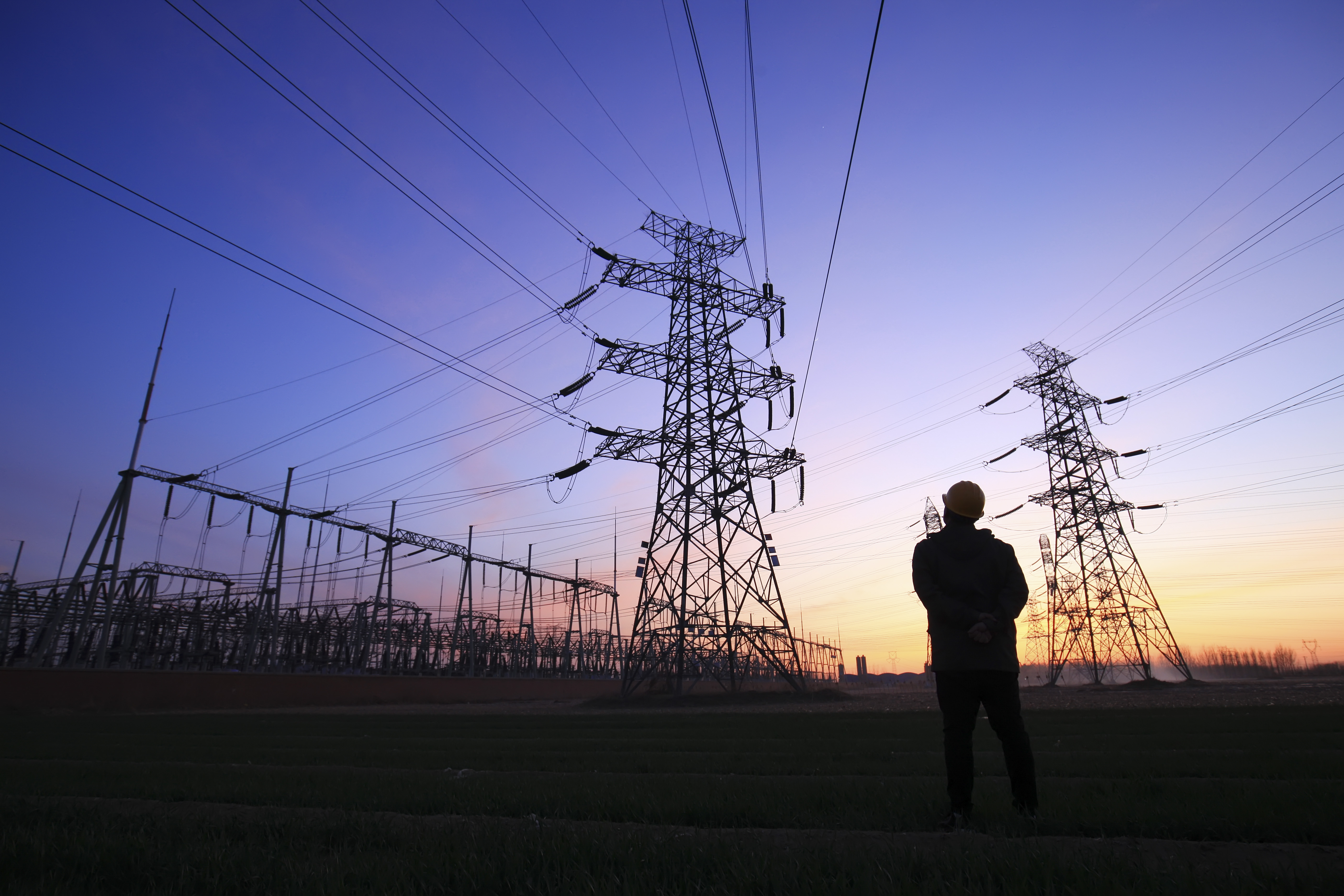
Electric utilities manage facilities with very different security needs—from critical substations and control locations to service centers and remote, unmanned sites. The consequences of a disruption can vary just as widely.
A transformer with a long replacement lead time may require different safeguards than equipment with readily available spares. A remote site with limited access may need a different response plan than a facility near a staffed location.
A risk-based approach to utilities security helps leaders prioritize resources based on those differences. A layered approach builds on that assessment, connecting physical safeguards, trained personnel, technology, and response procedures to help address potential gaps.
1. Start With the Consequences of Losing an Asset
A facility’s size or appearance does not necessarily reflect its importance to the power system. Understanding its role requires input from security, engineering, and system operations.
Begin with three questions:
- Operational impact: What services, customers, or other facilities depend on this asset?
- Available alternatives: Could switching options, redundant equipment, or spare components support continued operations?
- Restoration needs: How long could repairs or replacement take, and what might delay that work?
Consider shared dependencies, too. Several facilities may rely on the same communications network, monitoring platform, or repair resources. A disruption affecting multiple sites could create challenges that individual site assessments overlook.
2. Apply a Layered Approach to Utilities Security
Layered security extends from the surrounding environment and property boundary to site access, buildings, and critical equipment. The measures selected for each layer depend on local risks and operating needs. Reviewing how these safeguards work together can help identify gaps between them.
At a remote substation, terrain, weather, road access, and responder travel time can influence the protection strategy. At a staffed facility, contractor activity, vehicle traffic, and access to technical spaces may require greater attention.
A site review can examine:
- Approach routes and boundaries: Where could unauthorized access occur?
- Authorized entry: How are employee, contractor, and visitor permissions managed?
- Detection and visibility: Can operators assess activity near critical equipment?
- Response feasibility: Who can respond, and how quickly can they realistically reach the site?
Risk advisory and consulting services can support this process through threat and vulnerability assessments and security program reviews.

3. Connect Detection With Assessment and Response
An alarm is one step in a larger process. Its value depends on whether it reaches the right person, provides enough information for assessment, and leads to an appropriate action.
Review the complete sequence:
- Detect: Identify activity that may require attention.
- Verify: Use video, site information, or other available evidence to assess the alert.
- Escalate: Notify the person authorized to make the next decision.
- Respond: Activate the appropriate field resources and document the outcome.
Test the process under difficult conditions, including communications outages, severe weather, and periods of limited staffing. Confirm that responders have current contact information, access instructions, and clear responsibilities.
Integrated technology services can help connect access control, video surveillance, intrusion detection, and monitoring capabilities within the broader security program.
4. Plan for Maintenance Alongside Modernization
Installed equipment needs ongoing attention. Unsupported software, obstructed cameras, aging access controllers, or unavailable replacement parts can affect performance over time.
Keep two considerations separate: how important the asset is and how well its security systems are functioning. Together, they help inform repair priorities, temporary safeguards, and replacement plans.
Useful measures include:
- Availability of detection, recording, and access control systems.
- Time from an alert to operator assessment and dispatch.
- Equipment approaching the end of manufacturer support.
- Unresolved findings, assigned owners, and corrective action dates.
These measures give leaders a clearer basis for decisions than device counts alone.
Bring People, Processes, and Technology Together
Putting these priorities into practice requires coordination among security teams, operations, engineering, cybersecurity, and service providers.
Allied Universal® supports this coordination through utility security services that bring together Security Professionals, technology, and emergency preparedness support tailored to facility needs.
A practical starting point is to review high-consequence assets, identify gaps in current safeguards, and assign responsibility for next steps. That review can help distinguish urgent needs from routine maintenance and longer-term investments as conditions change.
For a deeper look at applying a layered approach, read our Layered Security for Utilities eBook. Explore the five-layer framework, critical asset assessment, and considerations for monitoring, response, and ongoing program management.
Related Resources
-
Image

-
Image
-
Image