Contact Us


Contract Security Services: Key Considerations When Outsourcing Security

Organizations have many factors to consider when determining how best to protect their people, property, and assets. One important decision is whether to manage security personnel internally or work with a contract security provider.
Contract security services can provide access to recruiting resources, training, management support, technology, and staffing capabilities that may be difficult for an organization to maintain independently.
For organizations considering outsourcing, understanding both the potential benefits and what to look for in a security provider is an important first step.
The Advantages of Contract Security
Recruiting and Staffing Resources
Recruiting qualified security professionals requires dedicated resources and an understanding of the skills needed for different security environments.
An experienced security provider can manage recruiting, screening, hiring, and staffing while helping organizations identify security professionals whose qualifications align with the needs of the site.
Training and Development
Ongoing training and professional development are important components of an effective security program.
A contract security provider can offer structured training programs tailored to specific environments, responsibilities, and client needs. This can help security professionals maintain and build the skills needed to perform their roles effectively.
Staffing Continuity
Illness, vacations, turnover, and unexpected absences can create gaps in security coverage. Contract security providers can draw on a broader workforce when staffing needs change. Maintaining consistent coverage with skilled, trained security professionals is critical, particularly in today’s evolving security environment, where gaps in coverage can leave organizations more vulnerable to risk.
This additional support can be particularly valuable for organizations with multiple locations, around-the-clock operations, or changing security requirements.
Management and Operational Support
Managing a security workforce involves more than scheduling personnel. It can include recruiting, onboarding, training, supervision, performance management, and administrative responsibilities.
Outsourcing these functions allows internal security leaders to spend more time focused on the broader security program, including risk management, emergency preparedness, and long-term security strategy.
Four Considerations When Selecting a Contract Security Provider
The value of outsourcing depends significantly on selecting the right provider and establishing the right program. Consider these four areas when evaluating contract security services:
1. Establish Competitive Compensation
Compensation can directly affect an organization's ability to attract and retain qualified security professionals.
Pay rates should reflect the local labor market as well as the skills, experience, responsibilities, and training required for the position. Working with a security provider to establish appropriate compensation can support recruiting, retention, and program continuity.
2. Look Beyond the Lowest Cost
Cost is an important consideration, but it should not be the only factor driving a security decision.
When evaluating providers, consider the full value of the program, including recruiting capabilities, training, employee benefits, management support, technology, and service delivery. A lower price may not provide the staffing quality or resources required for the security program. The ability to consistently deliver qualified personnel and the resources needed to support them can provide value well beyond the initial cost.
3. Evaluate Local Support and Experience
A security provider's overall capabilities matter, but so does the support available in your local market.
Ask about local leadership, staffing resources, industry experience, and response capabilities. Meeting the team responsible for supporting your account can provide greater insight into how the provider will manage your program and respond when needs change.
4. Understand the Role of Technology
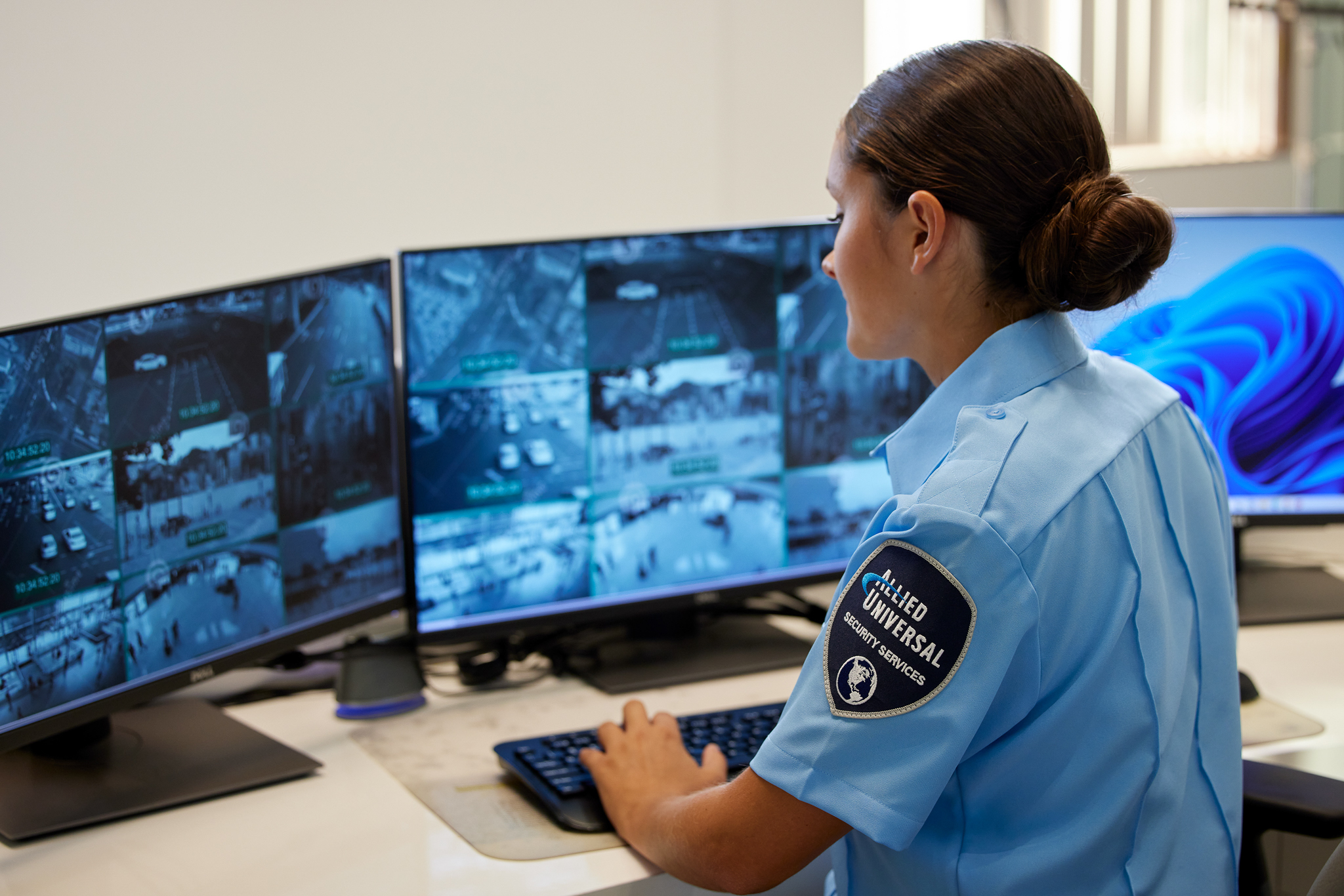
Technology has become an increasingly important part of modern security operations.
Depending on the program, security professionals may use technology for incident reporting, patrol and activity verification, communications, workforce management, and other operational functions. These tools can provide greater visibility into security activities and help organizations maintain more consistent records and oversight.
Ask potential providers how technology is incorporated into their security programs and how it can support your organization's specific needs. A comprehensive approach may also include evaluating integrated security solutions such as access control, video surveillance, and other technologies that complement on-site security professionals.
Building the Right Security Program
A well-designed contract security program starts with qualified security professionals and the support needed to deliver consistent, reliable service.
At Allied Universal®, we provide contract security services tailored to the needs of each organization and its security environment.
Related Blogs
-
Image

-
Image
-
Image