Contact Us


AI in Physical Security: What Comes Next
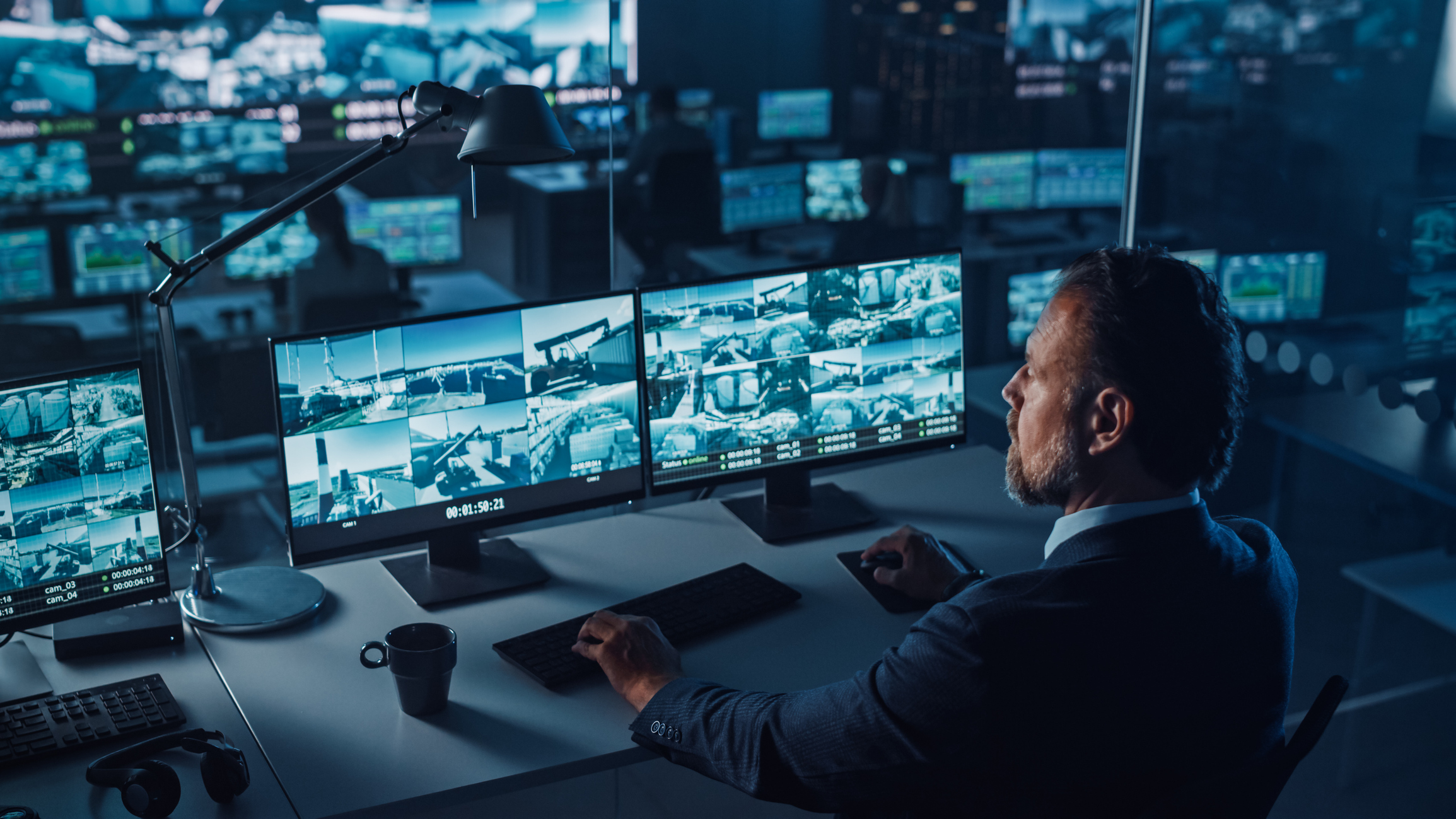
Artificial intelligence is changing how security teams monitor facilities, assess activity, and manage information. It can help bring potential concerns to their attention and reduce time spent on certain routine tasks.
The value comes from connecting those capabilities to a facility’s risks, daily operations, and response procedures. Clear objectives and trained security professionals help turn technology-generated information into appropriate action.
1. Where AI in Physical Security Can Add Value
AI uses computer models to perform tasks such as recognizing patterns and analyzing information. In a security program, its usefulness depends on the application, the quality of its data, and the conditions in which it operates.
Practical applications include:
- Video analysis: Flagging selected activity for operator review and helping teams locate relevant footage.
- Patrol support: Using robotic devices with cameras and sensors to extend visibility across suitable locations.
For example, Allied Universal’s video surveillance and monitoring services combine capabilities such as video analytics, real-time monitoring, and remote oversight to support a broader security program.
2. Connect Alerts to a Clear Response
An alert is useful when someone knows what to do with it. Before introducing a new tool, establish:
- Ownership: Who reviews notifications?
- Verification: How are potential concerns checked?
- Escalation: When are on-site personnel or emergency responders involved?
Example: Consider an alert showing activity near a restricted entrance. A monitoring professional can review the footage, check the circumstances, and follow the site’s escalation procedures. For example, an authorized delivery may require a different response than an attempted intrusion.
Connected cameras, sensors, and access control systems can provide additional information. Integrating them requires attention to compatibility, connectivity, and how information reaches the people responsible for responding.
3. Evaluate Robotics for the Environment
Robotic patrol devices can expand coverage and provide another way to observe an area before sending personnel to investigate. Their suitability depends on site conditions, travel routes, communications coverage, and the device’s operating limits.
Allied Universal’s robotics and autonomous technology solutions support capabilities such as automated patrols, surveillance, and communication.
Testing the device in the intended environment helps teams understand where it adds value and where personnel or other safeguards are needed.

4. Prepare People to Use the Technology
Keep Security Professionals Central
AI can analyze information and flag potential concerns, but trained security professionals provide the context and judgment needed to interpret that output and respond appropriately. Their knowledge of the site, its people, and established procedures helps guide those decisions.
Make Training Continuous
As tools and operating conditions change, ongoing training helps teams understand system capabilities and recognize limitations. Build instruction around the situations they will encounter, including how to:
- Use the tools: Navigate dashboards, retrieve footage, and document findings.
- Recognize errors: Identify missed events, inaccurate notifications, or equipment issues.
- Apply response procedure: Work through site-specific scenarios using established escalation procedures.
- Maintain coverage: Use backup processes when a system or connection is unavailable.
Refresher training and feedback from daily users can help keep procedures aligned with actual operating conditions.
5. Measure Results and Refine the Approach
Start with a defined use case and evaluate performance before expanding. Useful measures may include alert accuracy, time spent reviewing footage, response coordination, and maintenance needs.
Include data access, privacy, and cybersecurity considerations in planning. Establish who can access the information, how it is retained, and how connected devices are secured.
Avoid assuming that AI tools continually learn or improve on their own. Updates, configuration changes, and ongoing evaluation may be needed to maintain useful performance.
Bringing People, Technology, and Procedures Together
At Allied Universal®, we bring together security professionals, technology, and site-specific procedures to help organizations address their security needs. As AI in physical security evolves, this integrated approach helps keep adoption focused on the people and operations a program is designed to support.
Related Blogs
-
Image

-
Image
-
Image