Contact Us


An Adaptive Approach to Campus Security in a Changing Environment

College and university campuses bring together people with different backgrounds, experiences, and needs. Maintaining an open, welcoming environment while addressing security concerns requires an approach that reflects each institution’s culture, activities, and risks.
From large events and demonstrations to mental health concerns and reports of threatening behavior, campus security teams encounter situations that call for sound judgment, clear communication, and preparation. An adaptive approach helps institutions respond to immediate needs while planning for changing conditions.
Define the Role Beyond Patrols
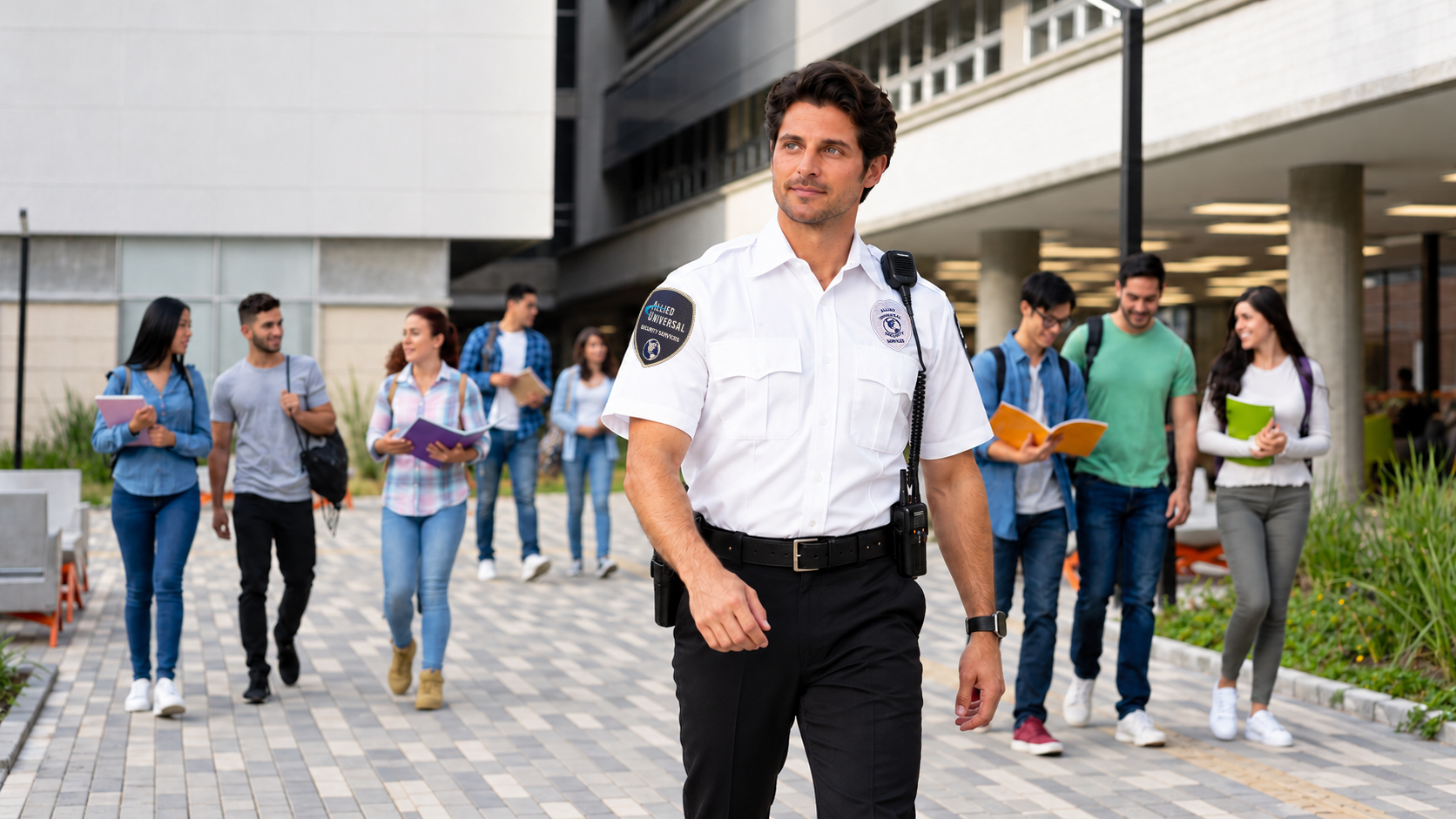
Campus security professionals are often a visible point of contact for students, faculty, staff, and visitors. Along with patrolling facilities and responding to incidents, they may provide directions, assist someone seeking help, or recognize a concern that needs further attention.
These everyday interactions can help build trust and encourage people to report concerns. Clear responsibilities and established procedures give security teams a foundation for responding appropriately and connecting individuals with campus resources.
Hire for the Campus Environment
An effective campus security program begins with recruiting qualified people who can work well within the institution’s community.
Communication skills, empathy and the ability to remain calm under pressure are important alongside relevant experience. Security professionals also need to interact respectfully with people from different backgrounds and exercise judgment in sensitive situations.
Hiring with these qualities in mind can help institutions build a team that contributes to both security and the campus experience.
Keep Campus Security Training Relevant and Practical
Ongoing training helps security professionals apply campus policies to the situations they may encounter. Key areas include:
- De-escalation and conflict management: Recognizing escalating behavior and using appropriate communication techniques.
- Mental health awareness: Identifying signs of distress and connecting individuals with qualified assistance.
- Sensitive incident response: Responding to reports of sexual assault, hazing, discrimination or abuse with care and following established reporting procedures.
- Emergency preparedness: Understanding responsibilities during evacuations, medical emergencies and acts of violence.
- Event and demonstration readiness: Preparing for crowds, coordinating with campus leadership and following institutional policies.
Scenario-based exercises give teams opportunities to practice these skills and identify gaps before an incident occurs.
Strengthen Coordination and Review
Campus security depends on collaboration among public safety, student affairs, counseling services, facilities, and institutional leadership. Clear reporting channels and coordinated response procedures can help these groups share relevant information and act on concerns.
Regular reviews of incidents, community feedback, and campus activities can inform adjustments to staffing, training, and security measures.
Allied Universal® provides higher education security services tailored to each institution’s culture and needs. Through qualified security professionals, specialized training, and ongoing collaboration, we help support a safe and welcoming learning environment.
Related Blogs
-
Image

-
Image
-
Image